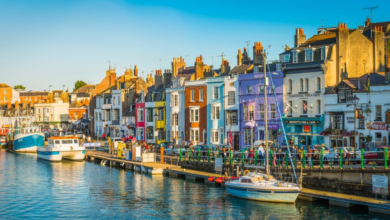
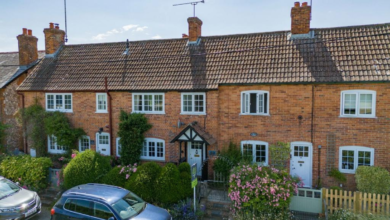
Eye England is one of Suffolk’s most attractive market towns, offering visitors a wonderful combination of rich history, scenic countryside and traditional English charm. Although it is smaller than many well-known destinations across the country, the town has developed a strong reputation for its medieval heritage, peaceful atmosphere and welcoming community. Visitors who enjoy exploring authentic English towns will quickly appreciate everything that Eye has to offer.
Whether you are planning a weekend escape, a family day out or simply researching the history of Suffolk, Eye England is a destination worth discovering. From its impressive castle mound to its independent shops, cafés and walking trails, the town provides an enjoyable experience throughout the year. This guide explores its history, attractions and travel tips to help you make the most of your visit.
Where Is Eye England?
Eye England is situated in the Mid Suffolk district of Suffolk, approximately four miles south of Diss and within easy travelling distance of Ipswich, Norwich and Cambridge. Its location in East Anglia makes it a convenient destination for visitors travelling by road or rail, while the surrounding countryside offers a peaceful escape from busy urban centres.
The town is surrounded by beautiful farmland, quiet villages and scenic landscapes that showcase the natural beauty of Suffolk. Visitors arriving in Eye England often appreciate its relaxed pace of life, attractive streets and easy access to nearby attractions. Its central position also makes it an excellent base for exploring other historic towns throughout the county.
The History of Eye England
The history of Eye England dates back over a thousand years, with evidence suggesting that the area was an important settlement during the Anglo-Saxon period. The town later became a significant Norman stronghold following the construction of Eye Castle, which helped establish Eye as an important administrative and commercial centre within the region.
Today, many reminders of this fascinating history remain throughout Eye England. Historic buildings, medieval streets and carefully preserved architecture allow visitors to experience the town’s remarkable past. Walking through the centre provides a unique opportunity to admire centuries of English history while enjoying the welcoming atmosphere that continues to define this charming Suffolk town.
Top Things to Do in Eye England

One of the greatest attractions in Eye England is the historic Eye Castle, which stands proudly on a large Norman motte overlooking the town. Although only the earthworks and fragments of the original castle remain today, the site offers impressive views across the surrounding countryside. Visitors can stroll through the castle grounds while imagining the important role this fortress once played in protecting the region during medieval times.
The charming town centre is equally rewarding to explore, with its colourful period buildings, independent boutiques, traditional cafés and welcoming local businesses. Walking through the quiet streets allows visitors to appreciate the relaxed atmosphere that makes Eye England such a pleasant destination. Throughout the year, local markets and community events bring additional life to the town, creating an authentic experience that reflects the best of rural Suffolk.
Best Attractions Near Eye England
While Eye itself offers plenty to enjoy, the surrounding area is home to several attractions that are well worth visiting. The Red Feather Club Museum tells the fascinating story of the American airmen who served in Suffolk during the Second World War. Its carefully preserved exhibits provide valuable insight into local military history and attract visitors from across the United Kingdom and beyond.
Families and railway enthusiasts can also visit the Mid-Suffolk Light Railway, where restored locomotives and heritage displays celebrate the county’s railway past. Another popular nearby attraction is Bressingham Steam Museum and Gardens, featuring magnificent gardens, vintage steam engines and traditional fairground rides. Together, these attractions make Eye England an excellent base for discovering the wider beauty and heritage of Suffolk.
Visiting Eye England
Eye England can be enjoyed throughout the year, although spring and summer are particularly popular thanks to pleasant weather and colourful countryside. During these seasons, visitors can comfortably explore outdoor attractions, walking routes and local gardens while enjoying the peaceful surroundings. Autumn also offers spectacular scenery as the surrounding woodlands display beautiful shades of gold and red.
Accommodation in Eye England includes cosy bed and breakfasts, welcoming country inns, self-catering cottages and boutique guest houses suitable for different budgets. Local restaurants, traditional pubs and independent cafés serve freshly prepared meals using regional ingredients, giving visitors an authentic taste of Suffolk. Friendly hospitality and excellent visitor facilities ensure every trip is both relaxing and memorable.
Living in Eye England
Many people choose to settle in Eye England because of its strong community spirit, attractive environment and slower pace of life. Residents benefit from a range of everyday amenities including schools, healthcare services, independent shops and recreational facilities, while enjoying the peaceful setting that makes rural Suffolk such a desirable place to live.
Property in Eye England ranges from beautifully restored period cottages to modern family homes designed for contemporary living. The town successfully balances historic character with modern convenience, making it appealing to families, retirees and professionals alike. Excellent transport links also allow residents to reach nearby cities without sacrificing the tranquillity of country life.
Eye England and Other Places with Similar Names
Many online searches for Eye England also display results for places such as Sonning Eye, Eye in Cambridgeshire and even the famous London Eye. Although these names are similar, they refer to completely different destinations. Eye England is the historic market town in Suffolk, celebrated for its castle, medieval streets and traditional English atmosphere.
The London Eye, by comparison, is one of the capital’s most recognised landmarks and attracts millions of visitors each year with panoramic views across London. Other locations, including Sonning Eye and various natural landmarks containing the word “Eye”, have their own unique identities. Understanding these differences helps travellers ensure they are planning a visit to the destination that best suits their interests.
Interesting Facts About Eye England
Eye England has earned recognition as one of Suffolk’s most historic market towns and was once regarded as one of the smallest boroughs in England. Despite its modest size, it has preserved an impressive collection of medieval buildings, historic churches and traditional streets that continue to attract visitors interested in English heritage and architecture.
Another fascinating aspect of Eye England is its strong sense of community, with regular local events, markets and festivals bringing residents together throughout the year. Independent businesses continue to thrive alongside historic landmarks, creating a town that successfully combines modern living with centuries-old traditions. This balance between heritage and everyday life gives Eye England its distinctive character and lasting appeal.
Conclusion
Eye England offers far more than many visitors expect from a small Suffolk market town. Its remarkable history, beautiful countryside, welcoming community and impressive attractions create a destination that appeals to history enthusiasts, nature lovers and families alike. Every visit provides an opportunity to experience authentic English culture in a peaceful and picturesque setting.
Whether you are exploring Eye Castle, discovering nearby museums or simply enjoying a stroll through the historic streets, Eye England delivers an unforgettable experience. Its combination of heritage, natural beauty and traditional charm makes it one of Suffolk’s hidden gems. Anyone seeking a relaxing and rewarding destination should certainly consider adding Eye England to their travel plans.
Frequently Asked Questions
Where is Eye England located?
Eye England is located in the Mid Suffolk district of Suffolk, around four miles south of Diss in eastern England.
What is Eye England famous for?
Eye England is famous for Eye Castle, its medieval history, charming market town atmosphere and beautifully preserved historic buildings.
Is Eye England worth visiting?
Yes, Eye England is an excellent destination for visitors interested in history, countryside walks, independent shops and traditional English culture.
What are the best things to do in Eye England?
Popular activities include visiting Eye Castle, exploring the town centre, walking through Thornham Walks and discovering nearby museums and gardens.
How far is Eye England from London?
Eye England is approximately 100 miles north-east of London and can be reached by both road and rail.
Is Eye England the same as the London Eye?
No. Eye England is a historic market town in Suffolk, while the London Eye is a famous observation wheel situated in central London.
When is the best time to visit Eye England?
Spring, summer and early autumn are considered the best times to visit thanks to pleasant weather and beautiful countryside scenery.
Can you explore Eye England in one day?
Yes, many visitors enjoy a day trip, although staying for a weekend allows more time to experience the town and nearby Suffolk attractions.
Also Read: TV AM Presenters