
The Power Up Science Museum Review provides an in-depth look at one of London’s most exciting interactive attractions for gaming enthusiasts, families, and technology lovers. Located at the Science Museum in South Kensington, Power Up offers a unique opportunity to explore the history of video games through hands-on experiences. Instead of simply viewing old consoles and displays, visitors can actually play games from different generations and discover how gaming technology has developed over the years.
The exhibition has become a popular destination because it combines nostalgia, entertainment, and education in one engaging experience. From classic arcade machines to famous home consoles, Power Up allows visitors to revisit iconic gaming moments while learning about the creativity and engineering behind the industry. This complete guide explores the visitor experience, highlights, value, and reasons why this attraction continues to attract gamers and families in 2026.
What Is Power Up at the Science Museum?
Power Up is an interactive gaming exhibition created to celebrate the evolution of video games and the technology behind them. Unlike traditional museum exhibitions where objects are displayed without interaction, Power Up encourages visitors to pick up controllers, compete with friends, and experience gaming history first-hand. The exhibition covers several decades of gaming, featuring a mixture of classic consoles, arcade favourites, and modern gaming experiences.
The Science Museum designed Power Up to show how video games have changed from simple electronic experiments into a global entertainment industry. Visitors can explore the relationship between science, technology, art, and game design while enjoying playable exhibits. This combination makes the attraction suitable for people who grew up with retro games as well as younger visitors discovering gaming history for the first time.
Power Up Science Museum Review: First Impressions and Visitor Experience
A key part of any Power Up Science Museum Review is understanding the atmosphere and overall visitor experience. From the moment guests enter the exhibition area, they are surrounded by a lively gaming environment filled with screens, consoles, colourful displays, and interactive stations. The design creates an exciting atmosphere that feels more like a gaming event than a traditional museum room.
Visitors often enjoy the freedom to explore different sections at their own pace and choose the games that interest them most. The exhibition encourages social interaction because many games can be enjoyed with friends or family members. Whether visitors are competing in racing games, testing classic arcade titles, or discovering older consoles, the experience feels engaging and memorable for different age groups.
The Games and Consoles Available at Power Up
One of the biggest attractions of Power Up is the impressive variety of games and consoles available for visitors to experience. The exhibition features gaming systems from different eras, allowing guests to see how controllers, graphics, and gameplay styles have transformed over time. From early arcade machines to more advanced home consoles, the collection creates an interesting journey through the development of video games.
The range of playable experiences is what makes the exhibition stand out from ordinary technology displays. Visitors can enjoy familiar classics while also discovering games they may have never tried before. For older gamers, the exhibition brings back memories of childhood entertainment, while younger visitors can learn about the games and systems that influenced today’s gaming world.
Is Power Up Science Museum Worth Visiting in 2026?
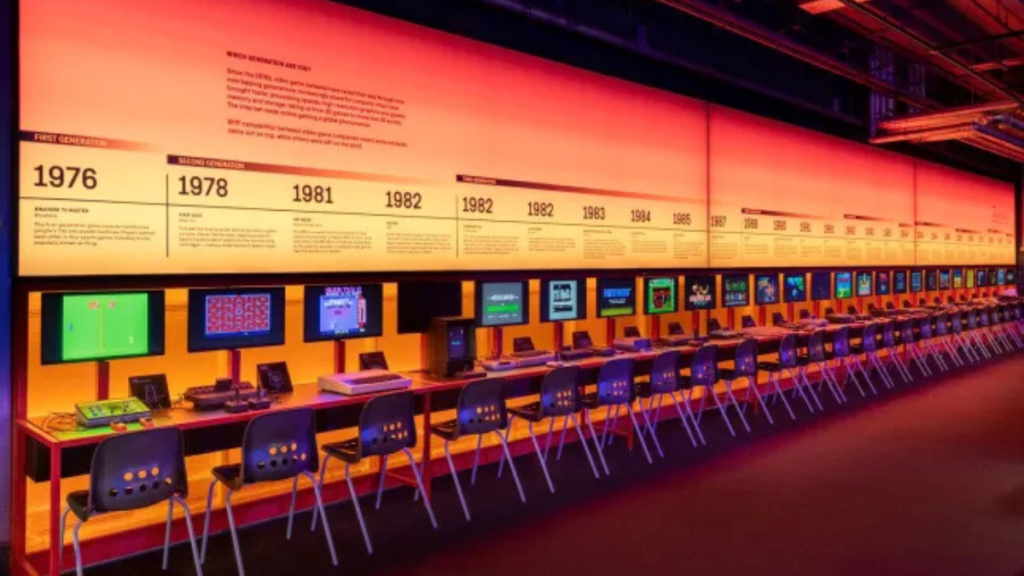
Many people searching for a Power Up Science Museum Review want to know whether the attraction is worth the ticket price and time spent visiting. For gaming fans, technology enthusiasts, and families, Power Up offers excellent entertainment because it provides an opportunity to actively experience gaming history. The chance to play a wide selection of games in one location makes it different from many other London attractions.
The value of the exhibition depends on personal interests, but it offers something special for visitors who enjoy interactive activities. Those who are passionate about gaming will likely appreciate the nostalgia and variety available, while families can enjoy a shared experience that encourages communication and friendly competition. Although visitors who are not interested in games may prefer other Science Museum areas, Power Up remains a popular choice for many guests.
Power Up Science Museum Review: Family-Friendly Experience and Age Suitability
Families visiting London often look for attractions that can entertain children while also providing value for adults, and Power Up delivers a balanced experience. The exhibition allows different generations to enjoy gaming together, creating opportunities for parents and children to share favourite games or discover new ones. The interactive nature means children remain engaged rather than simply walking through a display area.
The educational benefits also make Power Up appealing for families. Younger visitors can learn how technology has progressed and understand the creative process involved in developing games. Adults can appreciate the nostalgic elements, while children can explore gaming history in a fun and accessible way. This mixture of learning and entertainment helps make the exhibition suitable for a wide range of visitors.
Planning Your Visit to Power Up Science Museum
Preparing before visiting Power Up can help guests enjoy the exhibition more fully. Booking tickets in advance is a sensible choice during busy periods, particularly weekends and school holidays when the Science Museum attracts larger numbers of visitors. Arriving with enough time allows guests to explore different gaming areas without feeling rushed and increases the chance of experiencing more of the available activities.
Visitors should consider combining Power Up with other Science Museum attractions to create a complete day out. The museum offers many fascinating exhibits covering science, engineering, space, and technology. By planning ahead, guests can enjoy both the interactive gaming experience and the wider educational attractions available throughout the museum.
Power Up Science Museum Review: Highlights, Advantages and Drawbacks
The biggest strength highlighted in many Power Up Science Museum Review discussions is the interactive approach. Instead of simply reading about gaming history, visitors become part of it by playing games and testing different systems. The exhibition successfully combines entertainment with learning, making it enjoyable for both serious gamers and casual visitors who want something different.
However, there are a few possible drawbacks to consider. Popular games and consoles may become busy during peak times, meaning visitors might need to wait before trying certain experiences. Some people may also prefer a quieter museum environment with more detailed explanations rather than a lively gaming space. Despite these points, the overall experience remains positive for most visitors.
How Power Up Compares With Other London Gaming Attractions
Power Up offers a different experience compared with many other gaming attractions because it combines the excitement of playing games with the educational purpose of a museum. While some gaming venues focus mainly on entertainment, Power Up explains how technology and creativity have shaped the gaming industry. This approach makes it appealing to visitors who enjoy understanding the story behind the games they play.
The exhibition’s location within the Science Museum also adds extra value because visitors can combine gaming with other scientific discoveries. It provides a unique blend of history, technology, and entertainment that is difficult to find elsewhere in London. For people searching for a memorable and educational gaming experience, Power Up remains a strong option.
Tips for Getting the Best Power Up Experience
To make the most of a visit, guests should allow plenty of time to explore the exhibition and try different gaming stations. Rather than focusing only on famous titles, visitors can discover hidden gems and learn about less familiar parts of gaming history. Visiting during quieter times may also provide more opportunities to access popular games without long waits.
Bringing friends or family members can make the experience even more enjoyable because many games encourage teamwork or friendly competition. Visitors should also explore the full exhibition rather than rushing through it, as each section provides a different perspective on how gaming has evolved. A relaxed approach can turn a short visit into a memorable experience.
Conclusion:
The Power Up Science Museum Review shows that this gaming exhibition successfully combines nostalgia, technology, and interactive entertainment. It provides visitors with the rare chance to experience decades of gaming history while understanding the innovation behind the industry. With its wide selection of playable games, family-friendly atmosphere, and educational value, Power Up remains one of London’s most interesting attractions for gaming fans.
For anyone interested in video games, science, or technology, Power Up is a worthwhile experience in 2026. While it may not appeal to every visitor, those who enjoy interactive attractions will find plenty to explore and enjoy. The exhibition continues to prove that museums can be exciting, modern, and engaging for visitors of all ages.
Frequently Asked Questions
Is Power Up at the Science Museum worth visiting?
Yes, Power Up is worth visiting for gaming fans, families, and visitors who enjoy interactive technology experiences.
How long should you spend at Power Up Science Museum?
Most visitors spend around one to two hours exploring the exhibition and trying different games.
What type of games can you play at Power Up?
Visitors can enjoy a variety of classic arcade games, retro consoles, and modern gaming experiences.
Is Power Up suitable for young children?
Yes, the exhibition is designed to be family-friendly and offers enjoyable experiences for children and adults.
Do you need to book Power Up tickets in advance?
Advance booking is recommended, especially during weekends and school holiday periods.
Can adults enjoy Power Up without children?
Yes, many adults visit Power Up because of the nostalgic gaming experiences and classic consoles.
Where is Power Up Science Museum located?
Power Up is located inside the Science Museum in South Kensington, London.
What makes Power Up different from other museum exhibitions?
Power Up stands out because visitors can actively play games rather than only view historical displays.
Also Read: Jordan Sightseeing

