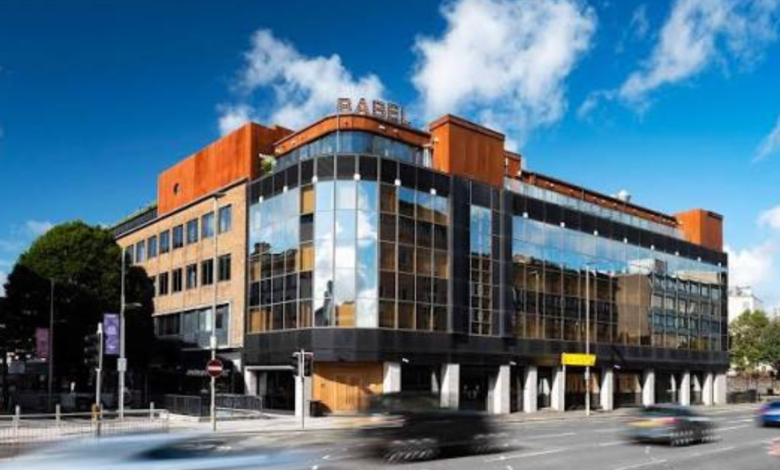
The bullitt hotel has earned a strong reputation as one of Belfast’s most stylish boutique hotels, offering visitors a refreshing alternative to traditional accommodation. Located in the heart of the city, the hotel combines contemporary design with practical comfort, making it an excellent choice for leisure travellers, couples, business guests, and those enjoying a weekend break. Its relaxed atmosphere and thoughtful approach to hospitality have helped it become a popular destination for people exploring Northern Ireland’s capital.
Unlike larger chain hotels, the bullitt hotel focuses on delivering a simple yet memorable guest experience. Instead of unnecessary luxury features, visitors can expect comfortable rooms, quality beds, fast Wi-Fi, modern rain showers, and welcoming communal spaces. This balance of affordability, style, and convenience makes the hotel attractive to travellers looking for comfort without excessive extras, while its central location adds even more value to every stay.
Bullitt Hotel Belfast Location and Nearby Attractions
One of the biggest advantages of the bullitt hotel belfast is its prime city-centre location. Situated on Church Lane, the hotel places guests within walking distance of many of Belfast’s best-known attractions. Whether visitors are interested in shopping, history, food, or nightlife, everything is conveniently close, allowing them to experience the city without relying heavily on taxis or public transport throughout their stay.
Nearby attractions include St George’s Market, Victoria Square Shopping Centre, Belfast Cathedral Quarter, Belfast City Hall, and the famous Titanic Belfast visitor attraction. Numerous cafés, restaurants, pubs, and entertainment venues also surround the hotel, making it easy to enjoy Belfast’s lively atmosphere. Excellent transport connections further enhance its appeal, allowing guests to travel across the city and beyond with ease.
Rooms at Bullitt Hotel
The rooms at the bullitt hotel have been carefully designed to provide maximum comfort while making excellent use of available space. Every room includes high-quality bedding, smart televisions, complimentary Wi-Fi, air conditioning, luxury rain showers, and modern furnishings. The contemporary interior creates a calm environment where guests can relax after sightseeing, shopping, or attending business meetings around Belfast.
Several room categories are available to suit different travel requirements and budgets. Solo travellers, couples, and business visitors can all find accommodation that meets their needs without paying for unnecessary space. The clean design, excellent soundproofing, and practical room layouts contribute to a comfortable night’s sleep, making the hotel suitable for both short city breaks and longer stays.
Restaurant, Bars and Dining Experience
Dining remains one of the highlights of staying at the bullitt hotel. Taylor & Clay Grill has become well known for serving freshly prepared dishes using locally sourced ingredients whenever possible. Guests can enjoy expertly cooked steaks, seasonal menus, seafood, vegetarian options, and carefully selected desserts in a relaxed yet stylish setting that appeals to both hotel guests and local residents.
The hotel also features attractive social spaces, including its rooftop venue, where visitors can enjoy drinks while taking in views across Belfast. Breakfast is another popular part of the guest experience, offering cooked breakfasts alongside lighter continental choices. Fresh coffee, pastries, fruit, and healthy alternatives ensure guests can start their day with a satisfying meal before exploring the city.
Bullitt Hotel Prices and Booking Guide
Accommodation prices at the bullitt hotel vary throughout the year depending on demand, room type, and local events taking place in Belfast. Weekdays often provide better value than weekends, while major festivals, concerts, and sporting events can increase room rates considerably. Booking well in advance usually offers greater availability and more competitive pricing for travellers planning ahead.
Guests have several booking options available, including reserving directly through the hotel’s official website or using reputable online travel platforms. Direct bookings may sometimes include exclusive offers, flexible cancellation policies, or seasonal packages unavailable elsewhere. Comparing prices before confirming a reservation remains one of the best ways to secure excellent value for money.
Bullitt Hotel Reviews and Guest Experiences
Many bullitt hotel reviews consistently praise the property’s excellent location, stylish design, comfortable rooms, and attentive customer service. Guests frequently mention the friendly staff, quick check-in process, cleanliness, and welcoming atmosphere. Positive feedback also highlights the quality of the hotel’s dining facilities, particularly the restaurant and rooftop bar, both of which have become popular destinations in their own right.
Like any busy city-centre hotel, some guests occasionally comment that nearby nightlife can result in evening noise, particularly during weekends. However, the majority of reviews agree that this minor inconvenience is outweighed by the hotel’s many strengths. Overall guest satisfaction remains consistently high, reflecting the hotel’s commitment to delivering a memorable and enjoyable experience.
Facilities and Guest Services
The bullitt hotel provides a wide range of facilities designed to improve every guest’s stay. Complimentary high-speed Wi-Fi is available throughout the property, allowing visitors to work, browse, or stay connected without interruption. Reception staff are available to assist with local recommendations, luggage storage, booking advice, and general travel information, ensuring guests feel supported throughout their visit.
Additional services include accessible facilities, comfortable communal areas, meeting spaces for business travellers, and environmentally responsible initiatives aimed at reducing the hotel’s environmental impact. Efficient housekeeping, secure access systems, and professional customer service help create a welcoming environment where visitors can relax with confidence from arrival until departure.
Who Should Stay at Bullitt Hotel?
The bullitt hotel appeals to a broad range of travellers because it successfully combines comfort, location, and affordability. Couples often appreciate its boutique style and romantic dining options, while business travellers value the reliable internet connection, central location, and efficient services. Solo visitors also benefit from the hotel’s safe surroundings and easy access to Belfast’s main attractions.
Groups of friends visiting Belfast for concerts, sporting events, or weekend celebrations frequently choose the hotel because of its vibrant atmosphere and nearby entertainment. Families with older children may also find it a practical option thanks to its convenient location and comfortable accommodation. Whatever the purpose of the visit, the hotel offers a welcoming base for discovering everything Belfast has to offer.
Tips Before Booking
Planning ahead can significantly improve your experience at the bullitt hotel. Booking early often provides access to lower room rates and a wider selection of available accommodation, particularly during peak tourist seasons. Visitors travelling during holidays or special events should reserve several weeks in advance to avoid disappointment and benefit from the best available prices.
It is also worthwhile checking whether breakfast packages, dining promotions, or flexible cancellation options are included with your booking. Reading recent guest reviews can provide useful insights into seasonal experiences, while researching nearby attractions beforehand allows visitors to maximise their time in Belfast and enjoy a well-organised itinerary throughout their stay.
Conclusion
The bullitt hotel continues to establish itself as one of Belfast’s leading boutique hotels by offering stylish accommodation, quality dining, modern facilities, and an unbeatable city-centre location. Its carefully designed rooms, welcoming atmosphere, and excellent guest services make it suitable for both leisure and business travellers seeking comfort without unnecessary extravagance.
Whether planning a weekend getaway, a business trip, or a longer holiday in Northern Ireland, the bullitt hotel provides an outstanding combination of convenience and value. Positive guest feedback, excellent facilities, and easy access to Belfast’s top attractions ensure it remains one of the city’s most recommended places to stay for visitors from the UK and around the world.
Frequently Asked Questions
Where is the bullitt hotel located?
The bullitt hotel is located on Church Lane in Belfast city centre, close to shopping areas, restaurants, entertainment venues, and many of the city’s leading tourist attractions.
Does the bullitt hotel offer breakfast?
Yes, guests can enjoy a selection of cooked and continental breakfast options, along with fresh coffee, pastries, fruit, and lighter choices.
What facilities are available at the bullitt hotel?
The hotel offers free Wi-Fi, comfortable modern rooms, rain showers, meeting spaces, restaurants, bars, accessible facilities, and professional guest services.
What do bullitt hotel reviews usually say?
Most bullitt hotel reviews praise the excellent location, stylish rooms, friendly staff, quality dining, and overall value for money, although some guests mention occasional weekend noise.
Is the bullitt hotel suitable for business travellers?
Yes, its central location, reliable internet connection, modern facilities, and comfortable rooms make it an excellent option for business visitors.
Is the bullitt hotel close to Titanic Belfast?
Yes, Titanic Belfast is easily accessible from the hotel by foot, public transport, or a short taxi journey, making it convenient for sightseeing visitors.
Also Read: NewsNow Rotherham United