Royal Navy Intercepts Russian Warship in English Channel: Full Story, UK Response and Latest Updates

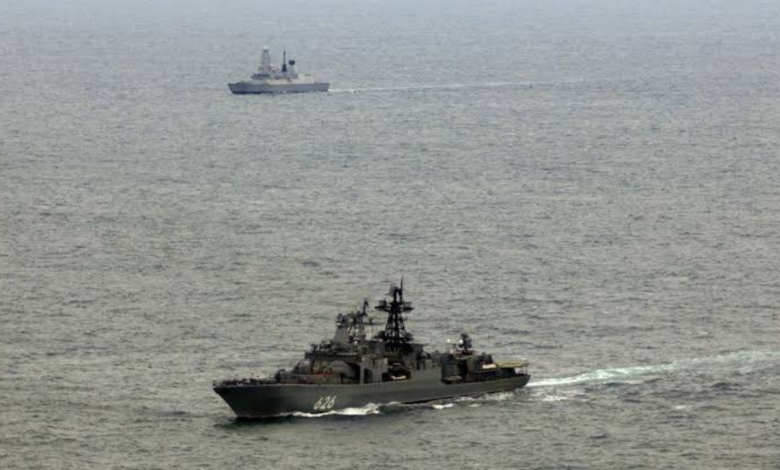
The recent event involving the Royal Navy monitoring a Russian naval vessel near British waters has drawn significant attention from the public, defence experts, and international observers. The royal navy intercepts russian warship story highlights the importance of maritime security and shows how Britain continues to monitor foreign military movements around its coastline. The incident has become a major talking point because of rising concerns about European security and relations between Russia and Western nations.
The English Channel remains one of the busiest and most strategically important waterways in the world, making naval activity in the region closely watched. When a Russian warship carried out operations near the UK, the Royal Navy responded by tracking and observing its movements. The operation demonstrated Britain’s commitment to protecting national interests while following international maritime rules and avoiding unnecessary escalation.
What Happened During the Royal Navy Interception of the Russian Warship?
The royal navy intercepts russian warship incident involved British naval forces monitoring a Russian vessel after it conducted a military exercise near UK waters. The Russian ship was observed by the Royal Navy as part of standard maritime security procedures designed to maintain awareness of foreign naval activity. Rather than being an aggressive confrontation, the operation focused on surveillance, communication, and ensuring that the situation remained under control.
Reports indicated that the Russian warship carried out a live-fire exercise before continuing its journey through international waters. The Royal Navy closely followed the vessel’s movements using its patrol capabilities and maintained a professional approach throughout the operation. Such actions are common when military ships from other nations operate near areas that are strategically important for British security and international shipping routes.
Why Was the Russian Warship Near the English Channel?
The English Channel is a vital maritime route connecting the North Sea and the Atlantic Ocean, with thousands of commercial ships passing through every year. Because of its importance for trade, defence, and transport, any military activity in the region receives close attention. Russian naval movements near the area are carefully monitored because they can carry wider political and security implications.
Russia has stated that its naval activities follow international maritime law and are part of planned operations. However, the UK and its allies continue to observe such movements due to increased tensions caused by global conflicts and changing security conditions. The presence of a Russian warship near British waters does not automatically indicate a threat, but it highlights the importance of maintaining strong defence awareness.
Royal Navy Response and UK Government Reaction
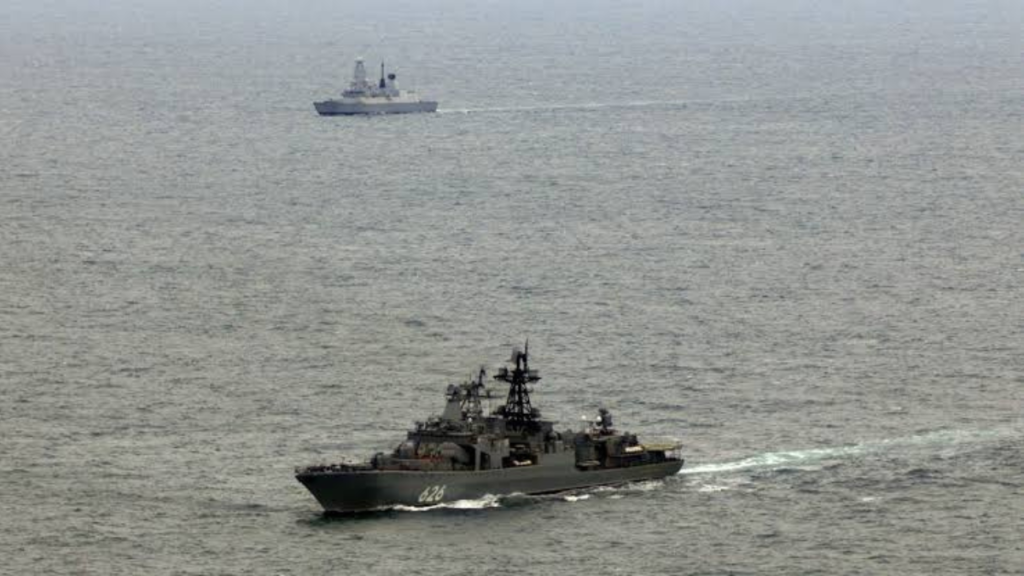
The Royal Navy responded to the situation by tracking and monitoring the Russian vessel rather than taking unnecessary action. British naval forces regularly carry out similar operations when foreign military ships pass through nearby international waters. The goal is to understand movements, maintain security awareness, and ensure that Britain can respond quickly if circumstances change.
The UK government has continued to emphasise the importance of national defence and protecting maritime interests. Officials have expressed concerns about military activities that appear designed to send political messages or demonstrate power. The royal navy intercepts russian warship operation reflects Britain’s approach of combining military readiness with careful diplomacy and responsible decision-making.
Connection Between the Royal Navy Operation and the Russia-Ukraine Conflict
The ongoing conflict between Russia and Ukraine has increased attention on Russian military movements across Europe. Since the beginning of the conflict, NATO members, including the UK, have strengthened surveillance efforts and increased cooperation to monitor possible security risks. Naval operations have become an important part of understanding Russia’s wider military activities.
The keyword royal navy intercepts russian warship ukraine has gained interest because many people want to understand whether such incidents are connected to the wider war. While the English Channel operation was not a direct military confrontation, it forms part of a broader security environment where European countries remain alert to Russian actions and strategic movements.
How the Royal Navy Tracks Russian Naval Activity
The Royal Navy uses advanced technology, experienced personnel, and coordinated defence systems to monitor foreign vessels. Patrol ships, aircraft, radar systems, and intelligence networks all play a role in tracking naval activity. These resources allow British forces to identify unusual movements and maintain awareness of what is happening around UK waters.
Monitoring Russian naval activity is a long-standing responsibility for the Royal Navy. British forces regularly observe foreign ships travelling through important maritime areas as part of national defence planning. These operations help protect shipping routes, support international partnerships, and ensure that the UK remains prepared for different security situations.
The Importance of the Russian Warship’s Presence
The appearance of a Russian warship near British waters attracts attention because naval vessels represent a country’s military capability and strategic interests. Warships can be used for training, patrol missions, intelligence gathering, or demonstrating national power. Understanding their movements allows defence authorities to make informed decisions and maintain security.
Although the presence of a foreign military ship does not always represent immediate danger, it can become significant during periods of international tension. The Royal Navy’s careful monitoring of the vessel showed the importance of remaining alert while respecting international laws that govern activities at sea.
What Does the Incident Mean for UK Security?
The royal navy intercepts russian warship event highlights the continuing importance of maritime defence for the United Kingdom. As an island nation, Britain relies heavily on secure sea routes for trade, energy supplies, and communication. Protecting these routes requires strong naval capabilities and the ability to monitor activity around the country’s coastline.
The incident also demonstrates that modern security challenges are often managed through surveillance, intelligence, and diplomatic communication rather than direct confrontation. The Royal Navy’s response showed professionalism and preparedness, ensuring that the UK could protect its interests while maintaining stability in a sensitive region.
International Reaction and Public Interest
The incident attracted attention from news organisations, defence analysts, and members of the public who wanted to understand the significance of the Russian naval movement. Many observers viewed the Royal Navy’s response as a routine but necessary security operation designed to maintain awareness of foreign military activity.
International reactions varied depending on political perspectives. Some analysts described the event as part of normal naval operations, while others viewed it as a reminder of increasing competition between Russia and Western nations. The situation has highlighted the importance of communication between countries to prevent misunderstandings and reduce unnecessary tensions.
Understanding Naval Encounters and Maritime Law
Naval encounters between different countries are controlled by international maritime regulations. These rules allow military vessels to operate in international waters while also allowing other nations to monitor their movements for security reasons. Understanding these laws helps explain why the Royal Navy tracks foreign warships without automatically treating them as hostile.
There is a difference between monitoring, intercepting, and challenging a vessel. In many cases, an interception involves identifying and observing a ship rather than forcing it to change direction. The Royal Navy follows established procedures to ensure that encounters remain professional, safe, and within international legal frameworks.
Latest Updates and Future Developments
The Royal Navy continues to monitor developments involving Russian naval activity and other foreign military movements. Future operations will depend on changes in global security conditions and decisions made by governments and defence organisations. Maintaining strong surveillance capabilities remains essential as international tensions continue to evolve.
The royal navy intercepts russian warship situation represents a wider conversation about defence, diplomacy, and security in modern Europe. While the incident itself did not lead to conflict, it demonstrates why countries must remain prepared and aware. The Royal Navy’s ability to respond effectively remains a key part of protecting the United Kingdom’s maritime interests.
Conclusion:
The royal navy intercepts russian warship incident demonstrates the important role of the Royal Navy in monitoring foreign military activity and protecting British waters. The operation showed a balanced approach that combined defence readiness, international law, and diplomatic responsibility. By tracking the Russian vessel carefully, the UK maintained security awareness without creating unnecessary tension.
As global security challenges continue, maritime monitoring will remain a crucial part of national defence. The Royal Navy’s actions highlight the importance of preparation, cooperation, and professionalism when dealing with complex international situations. Events like this remind us that naval forces play a vital role in maintaining stability and protecting national interests.
Frequently Asked Questions
Why did the Royal Navy intercept the Russian warship?
The Royal Navy monitored the Russian vessel to maintain security awareness and track its movements near UK waters.
Was the Russian warship a threat to the UK?
The ship was monitored as part of routine naval operations and was not treated as an immediate attack threat.
Where did the Royal Navy intercept the Russian warship?
The incident occurred near the English Channel, an important international maritime route close to the UK.
How does the Royal Navy monitor foreign vessels?
The Royal Navy uses ships, aircraft, radar systems, and intelligence technology to track maritime activity.
Is this linked to the Russia-Ukraine war?
The incident is connected to wider European security concerns caused by ongoing tensions involving Russia and Ukraine.
Can Russian ships legally travel near Britain?
Yes, military vessels can operate in international waters while being monitored by other countries.
Does the Royal Navy regularly track Russian vessels?
Yes, monitoring foreign naval activity is a routine responsibility of the Royal Navy.
Also Read: weather wolverhampton