The Battle of Stamford Bridge remains one of the most significant military events in English history, marking a dramatic turning point in the year 1066. Fought on 25 September near the village of Stamford Bridge in Yorkshire, the battle saw King Harold Godwinson lead the English army against an invading Norwegian force commanded by King Harald Hardrada. This remarkable victory secured England from a Viking conquest, although it came at a tremendous cost for the English king and his soldiers.
Historians continue to study the Battle of Stamford Bridge because it changed the course of medieval Britain. The victory effectively ended the era of major Viking invasions into England and demonstrated the determination and skill of the Anglo-Saxon army. However, Harold’s exhausted troops soon faced another invasion by William of Normandy, creating one of the most dramatic sequences of events in European history.
What Was the Battle of Stamford Bridge?
The Battle of Stamford Bridge was a fierce conflict between the Kingdom of England and an invading Norwegian Viking army. It took place close to the River Derwent in Yorkshire, where the Norwegians had gathered after winning an earlier battle. King Harold Godwinson responded quickly, leading his army on an extraordinary march from London to surprise the invaders before they could prepare for another confrontation.
Many people ask, when was the Battle of Stamford Bridge? The answer is 25 September 1066, only nineteen days before the famous Battle of Hastings. This timing makes the battle one of the defining moments of the historic year 1066. It represented the final major Viking attempt to seize the English throne and played a crucial role in shaping the future of England.
Background to the Battle of Stamford Bridge in 1066
The events leading to the Battle of Stamford Bridge in 1066 began after the death of King Edward the Confessor, who left no direct heir. Harold Godwinson was crowned King of England, but several powerful rulers disputed his claim. Harald Hardrada, King of Norway, believed he had a legitimate right to the throne, while William, Duke of Normandy, also prepared to launch his own invasion.
Harald Hardrada formed an alliance with Tostig Godwinson, Harold’s exiled brother, who hoped to regain power in England. Together, they sailed across the North Sea with thousands of experienced Viking warriors. After defeating northern English forces at the Battle of Fulford, they advanced towards Stamford Bridge expecting supplies rather than resistance. Harold’s rapid response completely changed their expectations and set the stage for one of England’s greatest battles.
The Battle of Stamford Bridge
The battle began with a surprise attack by King Harold’s army, catching the Norwegian forces off guard. Many Viking soldiers had removed their heavy armour because they believed there was no immediate threat. This mistake gave the English a valuable advantage during the opening stages of the fighting, allowing them to attack before the Norwegians could organise an effective defence.
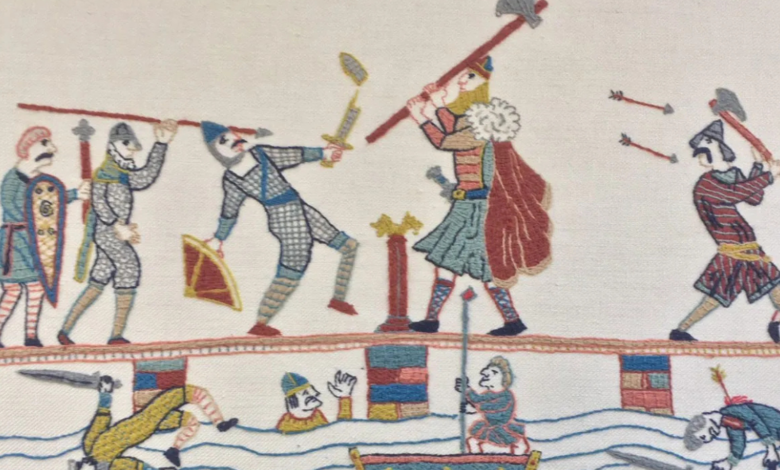
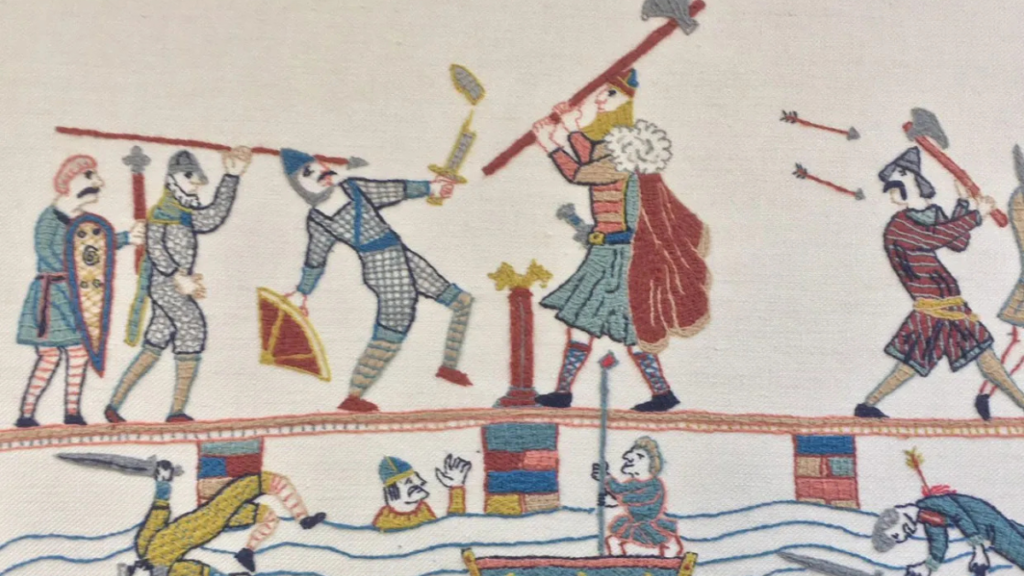
One of the most famous stories associated with the battle tells of a lone Viking warrior who defended the narrow bridge with an enormous axe. According to legend, he held back dozens of English soldiers before finally being defeated by an attacker approaching beneath the bridge. Once the English crossed the river, fierce hand-to-hand combat followed, ending with the deaths of Harald Hardrada and Tostig Godwinson and a complete English victory.
Who Won the Battle of Stamford Bridge?
Anyone wondering who won the Battle of Stamford Bridge will find that history gives a clear answer. King Harold Godwinson achieved a decisive victory over the Norwegian invaders, defeating one of the most feared Viking armies of the medieval period. Harald Hardrada was killed during the fighting, while many surviving Norwegians fled back to their ships and returned home with only a fraction of their original force.
Although Harold’s victory was impressive, it came at a heavy price. His army had marched nearly 185 miles in just a few days before fighting an exhausting battle against experienced warriors. Shortly after celebrating their success, the English soldiers received news that William of Normandy had landed in southern England, forcing them to march south almost immediately for another decisive battle.
Why the Battle Was So Important
The Battle of Stamford Bridge is often described as the battle that ended the Viking Age in England. Following Harald Hardrada’s defeat, no Scandinavian king launched another major invasion to claim the English throne. The battle therefore marked the end of more than two centuries of Viking influence through military conquest, making it one of the most important events in British history.
Its importance extends beyond the defeat of the Vikings. Harold’s victory left his army physically exhausted and significantly reduced in numbers. When William of Normandy invaded only weeks later, the English king had little time to recover before confronting another powerful enemy. This chain of events ultimately led to the Norman Conquest, changing England’s language, government, architecture and society forever.
Legacy of the Battle of Stamford Bridge
The legacy of the Battle of Stamford Bridge continues to fascinate historians, archaeologists and visitors alike. The battlefield remains an important historical location, reminding people of one of England’s greatest military achievements. Museums, educational resources and historical societies regularly explore the battle because it represents both the end of one era and the beginning of another.
The battle has also inspired novels, documentaries, television programmes and academic research. Stories about the famous Viking warrior defending the bridge remain popular, even though historians debate how much of the tale is legend rather than fact. Regardless of these discussions, the battle remains an enduring symbol of courage, leadership and determination during one of England’s most challenging periods.
Interesting Facts About the Battle
One fascinating fact is that King Harold’s army completed one of the fastest military marches recorded during the medieval period. Covering nearly 185 miles from London to Yorkshire in only a few days, the English forces demonstrated exceptional organisation and endurance. Their remarkable speed allowed them to surprise the Vikings before reinforcements and supplies could fully arrive.
Another interesting detail is that the Norwegian invasion fleet originally consisted of hundreds of ships, but far fewer were needed to transport the surviving soldiers home after the defeat. Historians also believe the battle involved thousands of warriors on both sides, making it one of the largest military confrontations ever fought in England before the Norman Conquest.
Conclusion
The Battle of Stamford Bridge deserves its place among the greatest battles in English history because it ended the last major Viking invasion and protected Harold Godwinson’s kingdom, even if only temporarily. The victory highlighted the strength, discipline and determination of the English army while bringing an end to centuries of Viking military ambition in England.
Although the triumph was remarkable, history remembers it alongside the Battle of Hastings because both events were closely connected. Together, they transformed the future of Britain in ways that can still be seen today. Understanding the Battle of Stamford Bridge provides valuable insight into the dramatic events of 1066 and explains why this remarkable conflict continues to capture the imagination of historians and readers alike.
Frequently Asked Questions
What was the Battle of Stamford Bridge?
The Battle of Stamford Bridge was a major battle fought between King Harold Godwinson’s English army and the invading Norwegian Vikings on 25 September 1066.
When was the Battle of Stamford Bridge?
The battle took place on 25 September 1066 near Stamford Bridge in Yorkshire, England.
Who won the Battle of Stamford Bridge?
King Harold Godwinson defeated King Harald Hardrada and the Norwegian Viking army.
Why was the Battle of Stamford Bridge important?
It marked the end of the last major Viking invasion of England and is widely regarded as the event that ended the Viking Age in England.
Where did the Battle of Stamford Bridge happen?
The battle was fought near the village of Stamford Bridge, east of York in Yorkshire.
Who fought in the Battle of Stamford Bridge?
The battle was fought between the English army led by King Harold Godwinson and the Norwegian forces led by King Harald Hardrada and Tostig Godwinson.
Did the Battle of Stamford Bridge end the Viking Age?
Yes. Historians widely consider it the battle that ended the Viking Age in England.
How did the Battle of Stamford Bridge influence the Battle of Hastings?
The victory exhausted Harold’s army, leaving it weakened before facing William of Normandy at the Battle of Hastings less than three weeks later.
Also Read: i fought the law itv release date