Black and White Tibetan Terrier: Complete Breed Guide, Temperament, Care, Size & Puppy Information

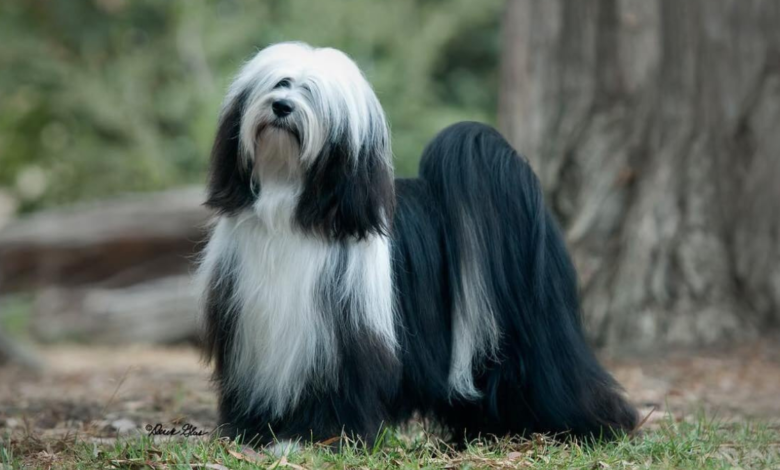
The black and white tibetan terrier is a beautiful and intelligent dog that has won the hearts of families across the world. Although its name includes the word “terrier”, this breed is not a true terrier. Instead, it originated in the mountainous regions of Tibet, where it was valued as a loyal companion and dependable watchdog. Its striking black and white coat, combined with a friendly nature, makes it one of the most attractive companion dogs today.
People searching for a black and white tibetan terrier often want to know whether the breed is suitable for family life, easy to train, and simple to care for. The good news is that these dogs are affectionate, adaptable, and highly intelligent. With proper grooming, regular exercise, and plenty of attention, they reward their owners with years of loyalty, companionship, and endless affection.
Black and White Tibetan Terrier Appearance and Breed Characteristics
One of the most distinctive features of the Tibetan Terrier is its luxurious double coat. The outer coat is long, fine, and slightly wavy, while the undercoat is soft and dense, providing excellent protection from cold weather. A black and white coat pattern creates a stunning contrast, making each dog unique. Some have evenly balanced markings, while others display large black patches across their body with bright white areas on the chest, legs, or face.
Adult Tibetan Terriers generally stand between 35 and 41 centimetres tall and weigh around 8 to 14 kilograms. They have dark expressive eyes, feathered ears, and a tail that curls gracefully over the back. Their broad paws, sometimes called “snow shoes”, helped them travel across the rocky and snowy terrain of Tibet. Their strong yet agile body allows them to remain energetic without appearing overly muscular.
Black and White Tibetan Terrier Temperament and Personality
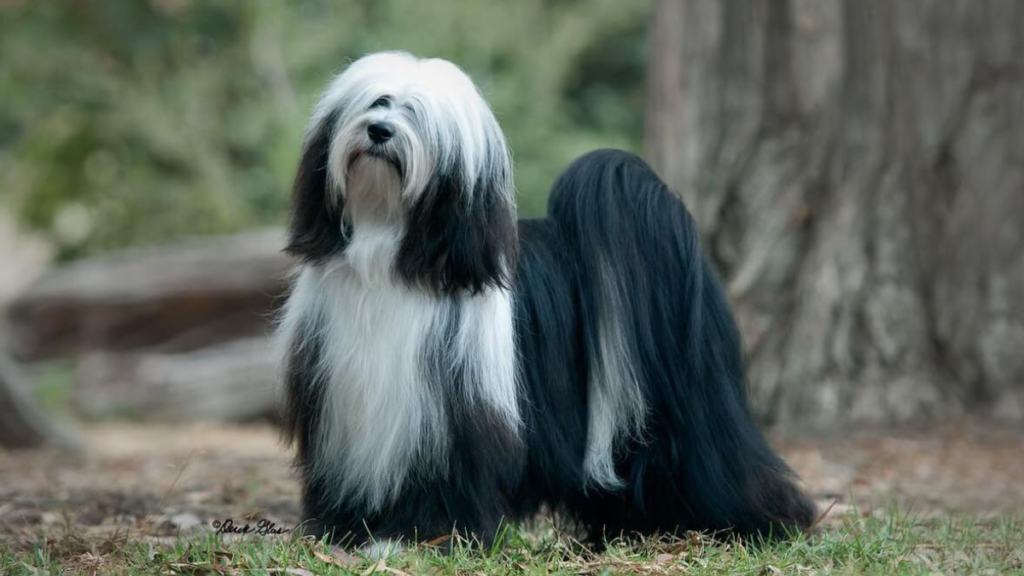
The black and white tibetan terrier is admired for its calm and affectionate personality. These dogs develop close bonds with their owners and enjoy spending time with every member of the family. They are gentle around children, friendly towards familiar visitors, and naturally protective without becoming aggressive. Their loving temperament makes them excellent companions for households looking for a devoted pet.
Highly intelligent and eager to please, Tibetan Terriers enjoy learning new commands and participating in family activities. They respond best to positive reinforcement, praise, and rewards rather than harsh correction. Early socialisation helps them become confident adults, reducing nervousness around strangers while encouraging polite behaviour around other dogs and pets.
Caring for a Black and White Tibetan Terrier
Providing proper care ensures your Tibetan Terrier remains healthy throughout its life. Their beautiful coat requires brushing several times each week to prevent tangles, mats, and trapped dirt. Regular grooming sessions also provide an opportunity to inspect the skin, ears, and paws for any signs of irritation or injury. Many owners enjoy grooming because it strengthens the bond between dog and owner.
Exercise is equally important despite the breed’s moderate size. Daily walks, interactive games, and opportunities to explore secure outdoor spaces help maintain both physical fitness and mental wellbeing. A balanced diet containing high-quality ingredients, access to clean drinking water, and routine veterinary check-ups all contribute to a long, healthy, and active life.
Short Hair Black and White Tibetan Terrier
Many prospective owners search online for a short hair black and white tibetan terrier, believing it may be a separate variety. In reality, Tibetan Terriers naturally grow long coats throughout their lives. A shorter appearance simply results from regular grooming or clipping rather than selective breeding or genetics. This makes coat length entirely a matter of owner preference rather than breed standard.
Keeping the coat trimmed can make grooming easier, particularly during warmer weather or for busy households. A shorter coat still requires brushing and occasional bathing, although maintenance is generally quicker than with the traditional flowing coat. Owners should remember that trimming does not change the dog’s personality, health, or affectionate temperament.
Black and White Tibetan Terrier Puppy Guide
Bringing home a black and white tibetan terrier puppy is an exciting milestone for any family. Before your puppy arrives, prepare a comfortable sleeping area, quality food, suitable chew toys, and grooming equipment. Puppy-proofing your home by removing hazards such as loose cables and harmful plants creates a safe environment for exploration and learning.
Training should begin immediately using gentle encouragement and positive reinforcement. Puppies learn quickly when rewarded with treats, praise, and consistency. Early exposure to different people, sounds, places, and friendly animals helps develop confidence and prevents behavioural problems later in life. Patience during these early months creates the foundation for a well-mannered adult dog.
Health, Lifespan and Common Medical Conditions
The Tibetan Terrier is generally considered a healthy breed with an average lifespan of between 12 and 15 years. With responsible breeding, a balanced diet, and regular veterinary care, many dogs enjoy long and active lives. Like all breeds, however, they can be prone to certain inherited health conditions, making routine health checks and buying from a reputable breeder especially important.
Common health concerns may include hip dysplasia, progressive retinal atrophy, lens luxation, and certain eye disorders. Regular eye examinations, maintaining a healthy weight, and ensuring plenty of exercise can help reduce the risk of complications. Preventative healthcare, including vaccinations, parasite treatments, and annual veterinary check-ups, gives your dog the best chance of remaining healthy throughout every stage of life.
Training, Exercise and Mental Stimulation
The black and white tibetan terrier is highly intelligent and enjoys learning new skills, making training both rewarding and enjoyable. Positive reinforcement methods work particularly well, encouraging good behaviour through praise, treats, and patience. Short training sessions repeated consistently are often more effective than lengthy lessons, helping dogs remain focused while building confidence.
Mental stimulation is just as important as physical exercise. Puzzle toys, scent games, obedience practice, and agility activities all help keep this clever breed entertained. Daily walks lasting around an hour, combined with interactive play in the garden or park, allow the dog to burn energy while strengthening the bond between owner and pet. A mentally stimulated Tibetan Terrier is far less likely to develop destructive habits or excessive barking.
Grooming Tips for a Healthy Coat
The luxurious coat is one of the breed’s defining features, so regular grooming should never be overlooked. Brushing the coat three or four times each week helps remove loose hair, prevent mats, and keep the fur looking clean and healthy. During seasonal coat changes, more frequent grooming may be necessary to prevent tangles from developing around the legs, ears, and chest.
Bathing every six to eight weeks is usually sufficient unless the dog becomes particularly muddy or dirty. Using a high-quality dog shampoo designed for long-coated breeds helps protect the natural oils within the coat. Owners should also trim the nails regularly, clean the ears gently, and brush the teeth several times each week to maintain excellent overall hygiene and reduce the risk of common dental diseases.
Feeding and Nutrition
A nutritious diet plays a vital role in maintaining the health and appearance of a Tibetan Terrier. High-quality dog food containing balanced levels of protein, healthy fats, vitamins, and minerals supports muscle development, coat condition, and energy levels. Fresh drinking water should always be available, particularly after exercise or during warmer weather.
Puppies require specially formulated food to support healthy growth, while adult dogs benefit from measured portions that prevent unnecessary weight gain. Treats should be offered in moderation and used mainly as rewards during training sessions. Monitoring your dog’s weight and adjusting food portions according to age, activity level, and veterinary advice helps maintain ideal body condition throughout life.
Is a Black and White Tibetan Terrier the Right Dog for You?
Choosing a dog is a long-term commitment, and the black and white tibetan terrier suits owners who can provide companionship, regular grooming, and daily exercise. Their affectionate personality makes them excellent family pets, while their adaptable nature means they can live happily in both countryside homes and city properties, provided they receive enough physical activity and attention.
These dogs thrive when included in everyday family life and dislike being left alone for long periods. If you are looking for a loyal companion that enjoys playtime, cuddles, and learning new activities, this breed could be an excellent choice. Their intelligence, gentle temperament, and beautiful appearance continue to make them a favourite among dog lovers across the UK and beyond.
Conclusion
The black and white tibetan terrier is a remarkable breed that combines elegance, intelligence, and unwavering loyalty. Its distinctive coat, friendly personality, and adaptable lifestyle make it suitable for many different households. Although grooming requires commitment, the rewards of owning such an affectionate and devoted companion far outweigh the effort involved.
Whether you are searching for information about a black and white tibetan terrier, considering a short hair black and white tibetan terrier for easier maintenance, or preparing to welcome a black and white tibetan terrier puppy into your home, understanding the breed’s needs is the key to responsible ownership. With proper care, regular training, and plenty of affection, this wonderful dog can become a treasured member of the family for many happy years.
Frequently Asked Questions
Are Black and White Tibetan Terriers rare?
Yes, they are less common than many popular companion breeds but are available from reputable breeders.
Are Black and White Tibetan Terriers good family pets?
Yes, they are affectionate, gentle, and usually excellent with children and families.
Does a Black and White Tibetan Terrier shed heavily?
No, they are considered low-shedding but require regular grooming.
Is a short hair Black and White Tibetan Terrier a different breed?
No, it is simply a Tibetan Terrier whose long coat has been professionally trimmed.
How much exercise does a Black and White Tibetan Terrier need?
Around 45 to 60 minutes of daily exercise is generally recommended.
What is the average lifespan of a Tibetan Terrier?
Most Tibetan Terriers live between 12 and 15 years with proper care.
Are Tibetan Terriers easy to train?
Yes, they are intelligent and respond very well to positive reinforcement training.
How often should I groom a Black and White Tibetan Terrier?
Brushing three to four times a week and regular bathing help maintain a healthy coat.
Is a Black and White Tibetan Terrier puppy suitable for first-time owners?
Yes, provided owners are prepared for consistent training, grooming, and companionship.
Are Tibetan Terriers hypoallergenic?
They are considered a low-allergen breed, although no dog is completely hypoallergenic.
Also Read: Sheffield United Women Standings
