British Forests: Complete Guide to the UK’s Most Beautiful Forests, Ancient Woodlands & Best Places to Visit (2026)

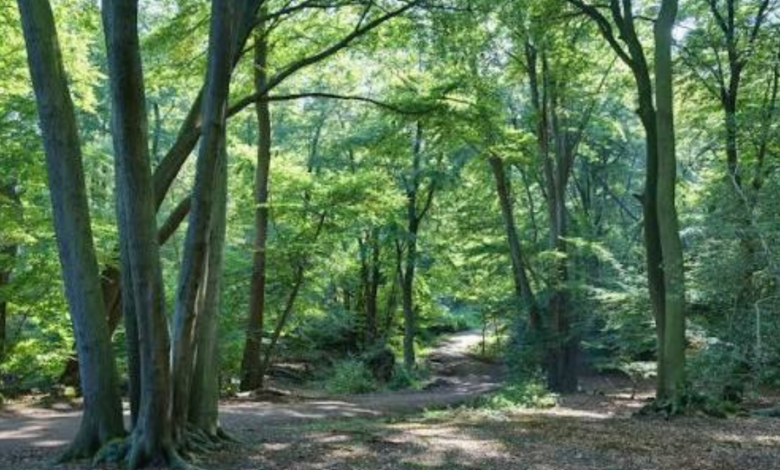
British forests are among the United Kingdom’s most treasured natural landscapes, offering breathtaking scenery, remarkable biodiversity, and countless opportunities for outdoor adventure. From peaceful ancient woodlands to expansive forest parks, these green spaces provide a welcome escape from busy towns and cities. Visitors can enjoy scenic walking trails, cycling routes, wildlife watching, and family-friendly attractions while discovering the country’s rich natural heritage.
Beyond their beauty, British forests play a vital role in supporting the environment and improving everyday life. They help absorb carbon dioxide, improve air quality, reduce flooding, and create habitats for thousands of plant and animal species. Whether you are planning a weekend getaway or simply want to learn more about Britain’s woodland heritage, exploring these remarkable forests is both educational and rewarding.
The History of British Forests
The history of British forests stretches back thousands of years, when dense woodland covered much of the landscape. Early communities relied heavily on forests for food, fuel, shelter, and building materials. As agriculture expanded and settlements grew, many trees were cleared to make space for farmland, roads, and villages. Even so, forests remained an essential part of Britain’s economy and way of life for centuries.
During medieval times, many forests became royal hunting grounds protected by strict laws. Timber was also highly valued for constructing ships, homes, and bridges during Britain’s industrial growth. In modern times, conservation organisations and forestry authorities have worked together to restore woodland habitats through tree planting schemes and sustainable woodland management, helping ensure forests continue to thrive for future generations.
Ancient British Forests and Their Lasting Importance
Ancient British forests are among the country’s most valuable natural habitats because they have existed continuously for hundreds of years. These woodlands contain unique ecosystems that cannot easily be recreated once lost. Their rich soils, mature trees, and undisturbed habitats provide ideal conditions for rare fungi, insects, birds, mammals, and native wildflowers that depend upon long-established woodland environments.
Protecting these historic landscapes has become increasingly important as urban development and climate change continue to place pressure on natural habitats. Conservation groups actively manage ancient woodlands through careful restoration projects, habitat protection, and responsible public access. Visiting these forests offers a fascinating opportunity to experience living history while appreciating Britain’s commitment to preserving its natural environment.
The Most Amazing British Forests to Visit
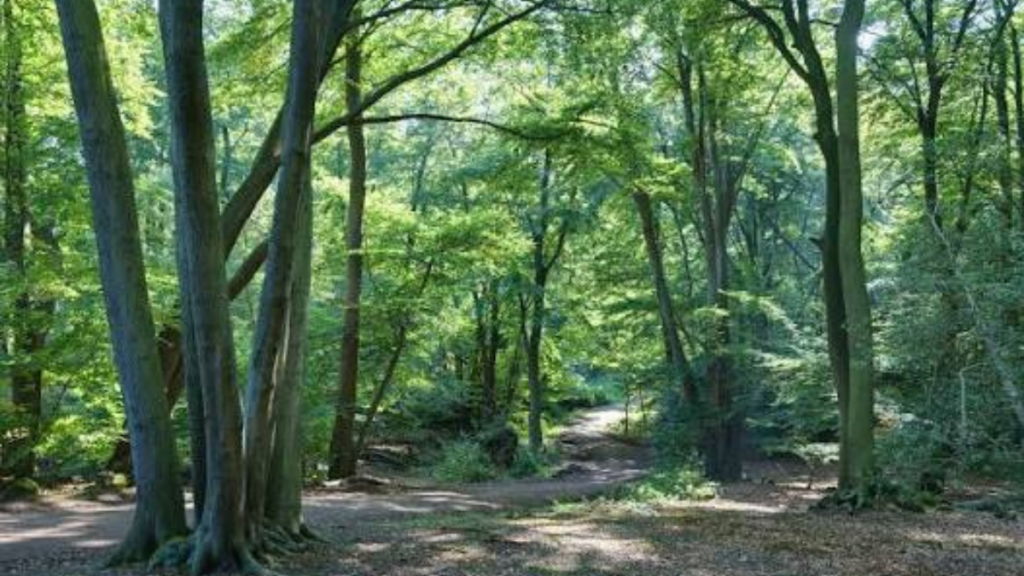
Travellers searching for unforgettable outdoor experiences will discover an impressive variety of woodland destinations across the United Kingdom. The Forest of Dean remains one of England’s best-loved forests, while Sherwood Forest is famous for its legendary connection with Robin Hood. Kielder Forest, Grizedale Forest, and Epping Forest each offer spectacular scenery, extensive walking routes, cycling trails, and excellent opportunities for spotting wildlife.
Scotland is home to the magnificent Caledonian Forest, one of Europe’s oldest surviving woodland ecosystems, while Wales features beautiful mountain forests such as Coed y Brenin, popular with walkers and mountain bikers. Northern Ireland also boasts scenic forest parks surrounded by dramatic landscapes. Together, these remarkable destinations demonstrate why British forests continue to attract visitors throughout every season of the year.
British Forests Map and Regional Guide
Using a British forests map is one of the easiest ways to plan memorable woodland adventures. Maps highlight national forests, forest parks, nature reserves, visitor centres, scenic drives, and walking routes across England, Scotland, Wales, and Northern Ireland. They also help visitors identify nearby attractions, accommodation, picnic areas, and family-friendly facilities before beginning their journey.
Every region offers something unique for nature enthusiasts. England features ancient woodlands and well-managed forest parks, Scotland provides vast wilderness and towering pine forests, Wales combines woodland with mountainous scenery, while Northern Ireland offers peaceful forests rich in wildlife. Exploring British forests using detailed maps allows travellers to experience the incredible diversity found across the United Kingdom.
Wildlife, Trees and Nature Found in British Forests
The wildlife found within Britain’s woodlands is both varied and fascinating. Native trees including oak, beech, birch, ash, hazel, and Scots pine create ideal habitats for mammals such as deer, foxes, badgers, and red squirrels. Forests also support countless bird species, colourful butterflies, woodland flowers, fungi, and insects that contribute to healthy and balanced ecosystems.
Every season transforms the woodland landscape in different ways. Spring welcomes carpets of bluebells and nesting birds, summer fills the forests with vibrant greenery, autumn produces spectacular displays of golden and crimson leaves, while winter reveals peaceful woodland scenes filled with frosty beauty. These seasonal changes make British forests attractive destinations for photographers, walkers, and wildlife enthusiasts throughout the entire year.
Planning Your Visit to British Forests
Planning ahead helps visitors enjoy the very best woodland experience regardless of the season. Spring and autumn are particularly popular thanks to comfortable temperatures, colourful landscapes, and active wildlife. Many forests offer clearly marked walking trails, cycling routes, visitor centres, cafés, picnic sites, playgrounds, and educational activities suitable for families, couples, and solo travellers alike.
Responsible tourism is essential for protecting these valuable natural spaces. Visitors should remain on designated paths, avoid disturbing wildlife, dispose of litter responsibly, and follow local guidance regarding dogs and campfires. Small actions from every visitor help preserve woodland habitats while ensuring future generations can continue enjoying the remarkable beauty and tranquillity of Britain’s forests.
British Forests in Literature, Maps and Books
Woodlands have inspired British writers, poets, historians, and artists for centuries. Many traditional legends, fairy tales, and classic novels feature forests as mysterious places filled with adventure, folklore, and natural wonder. These literary connections have helped shape Britain’s cultural identity while encouraging readers to explore the landscapes that inspired some of the nation’s most famous stories.
Reading a quality British forests book provides valuable insights into woodland history, native wildlife, conservation projects, and recommended walking routes. Combined with modern guidebooks, digital mapping applications, and visitor information, these resources make exploring forests easier and more enjoyable. They also deepen appreciation for the rich heritage and environmental importance of Britain’s woodland landscapes.
Conservation, Reforestation and the Future of British Forests
Although woodland cover has increased during recent decades, forests continue to face challenges including climate change, invasive pests, tree diseases, habitat fragmentation, and growing visitor numbers. Conservation organisations work closely with local communities, landowners, and government agencies to protect native woodlands while encouraging sustainable forestry practices that benefit both wildlife and people.
Large-scale tree planting initiatives and habitat restoration projects are helping create healthier ecosystems across the country. These programmes aim to expand woodland coverage, improve biodiversity, and strengthen climate resilience for future generations. By supporting conservation efforts and visiting responsibly, everyone can contribute towards protecting British forests and ensuring they remain among the United Kingdom’s greatest natural treasures.
Conclusion
British forests represent far more than beautiful landscapes filled with trees. They preserve centuries of history, support extraordinary wildlife, provide recreational opportunities, and contribute significantly to environmental sustainability. From ancient woodlands and famous forest parks to hidden countryside trails, every woodland offers visitors a unique chance to experience the natural beauty and cultural heritage of the United Kingdom.
Whether you enjoy peaceful walks, cycling adventures, birdwatching, or learning about woodland history, there is always something new to discover within Britain’s forests. As conservation efforts continue to expand, these remarkable landscapes will remain essential for biodiversity, tourism, education, and public wellbeing. Exploring and protecting British forests today helps ensure they continue inspiring future generations for many years to come.
Frequently Asked Questions
What are British forests?
British forests are woodland areas found across England, Scotland, Wales, and Northern Ireland that support wildlife, recreation, conservation, and sustainable forestry.
What are ancient British forests?
Ancient British forests are woodlands that have existed continuously for centuries and contain rare habitats, native species, and significant historical value.
Which is the largest forest in the UK?
Galloway Forest Park is Britain’s largest forest park, while Kielder Forest is one of England’s largest forests.
Where can I find a British forests map?
You can find British forests maps through Forestry England, Forestry and Land Scotland, Ordnance Survey, visitor centres, and trusted travel guides.
What is the best time to visit British forests?
Spring and autumn are generally the best seasons because they offer pleasant weather, colourful scenery, and abundant wildlife.
Are British forests suitable for families?
Yes, many forests provide family-friendly trails, play areas, picnic sites, cafés, and educational activities for visitors of all ages.
Can I cycle in British forests?
Many British forests have dedicated cycling trails suitable for beginners, families, and experienced mountain bikers.
Are there books about British forests?
Yes, numerous guidebooks and British forests books cover woodland history, walking routes, wildlife, photography, and conservation.
Also Read: power up science museum review